50 · Steady
Aries Moon
Neptune sextile Pluto
Closest aspect · 0°09' orb
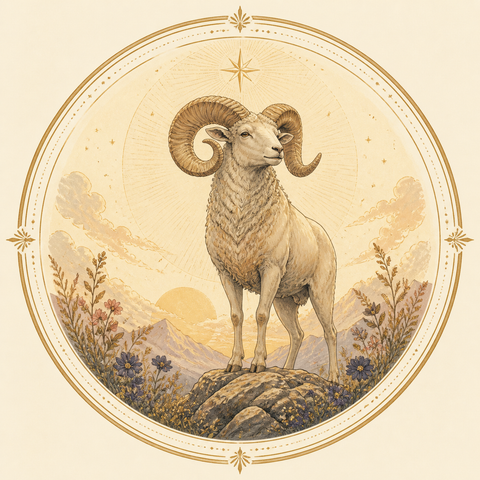
Moon in Aries, 88% illuminated. The sixty-degree geometry describes an opening or opportunity that remains optional rather than demanding attention.
Calculated planetary weather · noon UTC
A living map of exact-aspect samples, Moon changes, sign ingresses, and retrograde stations—calculated from the sky, then translated into plain English.
The period in one answer
From August 31 through September 6, 2026, the Moon moves from Aries to Cancer. The highest-priority calendar marker is Mars square Saturn on September 1. Each day is computed at noon UTC from geocentric tropical longitudes, and the notes beside them describe the symbolic theme of that geometry.
kept in this browser.
The sky, day by day
Intensity shows how concentrated the measured sky is—not whether a day is lucky or difficult. Open a date for every planetary degree behind the summary.
50 · Steady
Aries Moon
Closest aspect · 0°09' orb
Moon in Aries, 88% illuminated. The sixty-degree geometry describes an opening or opportunity that remains optional rather than demanding attention.
96 · Peak
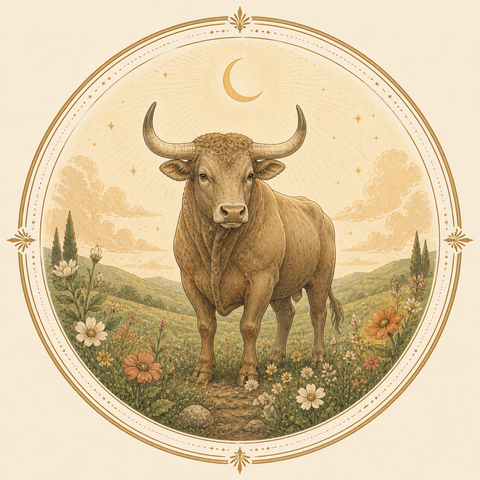
Taurus Moon
Closest daily sample · 0°01' orb
Moon in Taurus, 80% illuminated. The ninety-degree geometry emphasizes friction, adjustment and the need to direct effort deliberately.
95 · Peak
Taurus Moon
Closest daily sample · 0°36' orb
Moon in Taurus, 70% illuminated. The one-hundred-twenty-degree geometry describes an easier flow that can be useful when it is noticed and used on purpose.
70 · Active
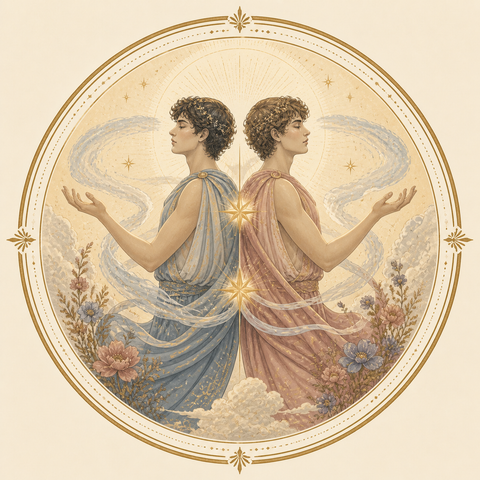
Gemini Moon
Lunar shift · noon UTC sample
Moon in Gemini, 59% illuminated. The Moon changes signs every two to three days, changing the short-term emotional and practical texture of the calendar.
85 · Peak
Gemini Moon
Closest daily sample · 0°11' orb
Moon in Gemini, 48% illuminated. The sixty-degree geometry describes an opening or opportunity that remains optional rather than demanding attention.
38 · Steady
Gemini Moon
Closest aspect · 0°07' orb
Moon in Gemini, 37% illuminated. The sixty-degree geometry describes an opening or opportunity that remains optional rather than demanding attention.
87 · Peak
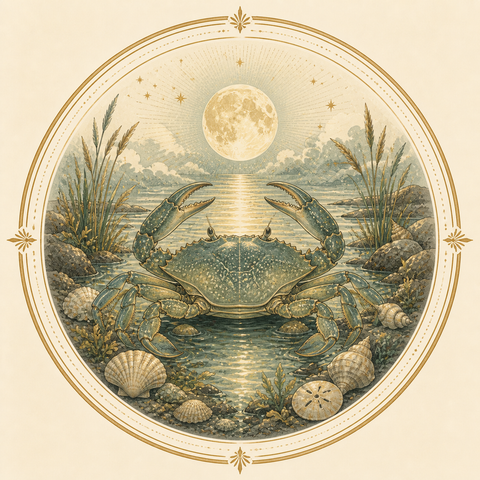
Cancer Moon
Closest daily sample · 0°37' orb
Moon in Cancer, 26% illuminated. The ninety-degree geometry emphasizes friction, adjustment and the need to direct effort deliberately.
Intensity combines closeness, the number of active aspects, and major calendar markers. It never means “good” or “bad.”
Dates worth circling
These cards are ordered by measured weight, not dramatic wording. Each one states the date, geometry, orb or detection rule, and what the symbol can—and cannot—tell you.
01 · Closest daily sample · 0°01' orb
The ninety-degree geometry emphasizes friction, adjustment and the need to direct effort deliberately.
Verifiable lineAt noon UTC on September 1, 2026, Mars square Saturn measures 0°01' from exact in geocentric tropical longitude.
02 · Closest daily sample · 0°37' orb
The ninety-degree geometry emphasizes friction, adjustment and the need to direct effort deliberately.
Verifiable lineAt noon UTC on September 6, 2026, Moon square Saturn measures 0°37' from exact in geocentric tropical longitude.
03 · Closest daily sample · 0°04' orb
The sixty-degree geometry describes an opening or opportunity that remains optional rather than demanding attention.
Verifiable lineAt noon UTC on September 1, 2026, Mercury sextile Mars measures 0°04' from exact in geocentric tropical longitude.
04 · Closest daily sample · 0°06' orb
The one-hundred-twenty-degree geometry describes an easier flow that can be useful when it is noticed and used on purpose.
Verifiable lineAt noon UTC on September 1, 2026, Jupiter trine Saturn measures 0°06' from exact in geocentric tropical longitude.
05 · Closest daily sample · 1°13' orb
The ninety-degree geometry emphasizes friction, adjustment and the need to direct effort deliberately.
Verifiable lineAt noon UTC on September 1, 2026, Moon square Pluto measures 1°13' from exact in geocentric tropical longitude.
06 · Closest daily sample · 0°11' orb
The sixty-degree geometry describes an opening or opportunity that remains optional rather than demanding attention.
Verifiable lineAt noon UTC on September 4, 2026, Moon sextile Jupiter measures 0°11' from exact in geocentric tropical longitude.
07 · Closest daily sample · 0°36' orb
The one-hundred-twenty-degree geometry describes an easier flow that can be useful when it is noticed and used on purpose.
Verifiable lineAt noon UTC on September 2, 2026, Moon trine Mercury measures 0°36' from exact in geocentric tropical longitude.
08 · Closest daily sample · 0°43' orb
The sixty-degree geometry describes an opening or opportunity that remains optional rather than demanding attention.
Verifiable lineAt noon UTC on September 4, 2026, Moon sextile Saturn measures 0°43' from exact in geocentric tropical longitude.
09 · Closest daily sample · 1°07' orb
The sixty-degree geometry describes an opening or opportunity that remains optional rather than demanding attention.
Verifiable lineAt noon UTC on September 6, 2026, Sun sextile Moon measures 1°07' from exact in geocentric tropical longitude.
The three strongest days
A high signal means more geometry is concentrated around one date. It can be easy or demanding. The useful response is extra attention—not canceling a meeting because a planet made a square.
Mars square Saturn
Moon trine Mercury
Moon square Saturn
Built to be checked
Every day starts with geocentric tropical planetary longitudes calculated at 12:00 UTC.
Adjacent days expose ingresses, apparent stations, lunar peaks, and the closest daily aspect sample.
Closeness and event type determine emphasis. Dramatic language does not change the score.
Astronomy is labeled as calculation; symbolic meaning is labeled as reflection, never certainty.
Read the complete calculation model, source series, tolerances, and limitations on How we calculate. Inspect the raw positions for any date in Today’s sky.
The public sky is only half the map
Add your birth minute and place once. The private overlay replaces general planetary weather with exact contacts to your Sun, Moon, Venus, Mars, and the rest of your chart.
Clear answers
Tarot
More free readings
Three cardsSituation, guidance, next step. Career tarotCurrent energy, opportunity, guidance. Yes or noOne card, one clear verdict.Spread library
EverydayQuick readings for the question in front of you today. Love & RelationshipsFeelings, intentions, and where a connection is heading. The FutureWhat is forming next, from the coming days to the year ahead. Money & CareerDirection, income, and the next professional move. DecisionsWhen two paths are open and you need to see both clearly.Reference
All spreadsEvery spread in one library. Card meaningsAll 78 cards, upright and reversed. Tarot journalSave readings and notice patterns over time.Horoscopes
Love
More
Your chart
Your birth chartFree, from your date, time and place. Everything below starts here. Your dayToday's sky measured against your own degrees, not your sun sign. Your year aheadThe next twelve months mapped from your chart, month by month. Your transitsPrivate dates calculated against your own birth chart. Compare two chartsTwo full charts read against each other, free. Not two sun signs.Astrology
Zodiac signsAll twelve profiles, elements, and modalities. Astrology basicsPlanets, houses, and aspects in plain language. Natal placements120 planet-in-sign meanings in one index. Transit calendarWeekly and monthly turning points, calculated from the sky. Moon phase todayLive illumination, sign, and next principal phase. Moon phase calendarEvery phase, Moon sign, and station by month. Retrograde trackerLive planets, calculated stations, and yearly timelines.Free astrology calculators
Rising sign calculatorExact ascendant degree and boundary timing. Moon sign calculatorBirth Moon, phase, and sign-change check. Big Three calculatorSun, Moon, and rising in one result.Numerology
NumerologyNumbers as a reflective framework. Angel numbers111, 222, 1111 — the arithmetic shown, and why they get noticed. Life path numberCalculated from your birth date, with every step shown. Destiny & will chartTwo lines across a 72-year cycle, drawn from your birth date.Reference libraries
Dream dictionaryChased, falling, teeth, snakes — research and tradition reported separately. Birthday calendarEvery day of the year, with the sign boundary computed for that date.On the site
Personalized readingsCompare every reading and price. 365-Day Year Ahead Report · $19The complete private report, separate from the free planning tool above. GuidesEditorial articles on tarot and astrology. SearchFind a card, a sign, or an article.Account
Log inGoogle or a one-time code. Creates your account if you are new.